
Spark Plug Diagnostic Hub
Pull your plug and match the electrode condition below to instantly diagnose your engine’s fueling profile.
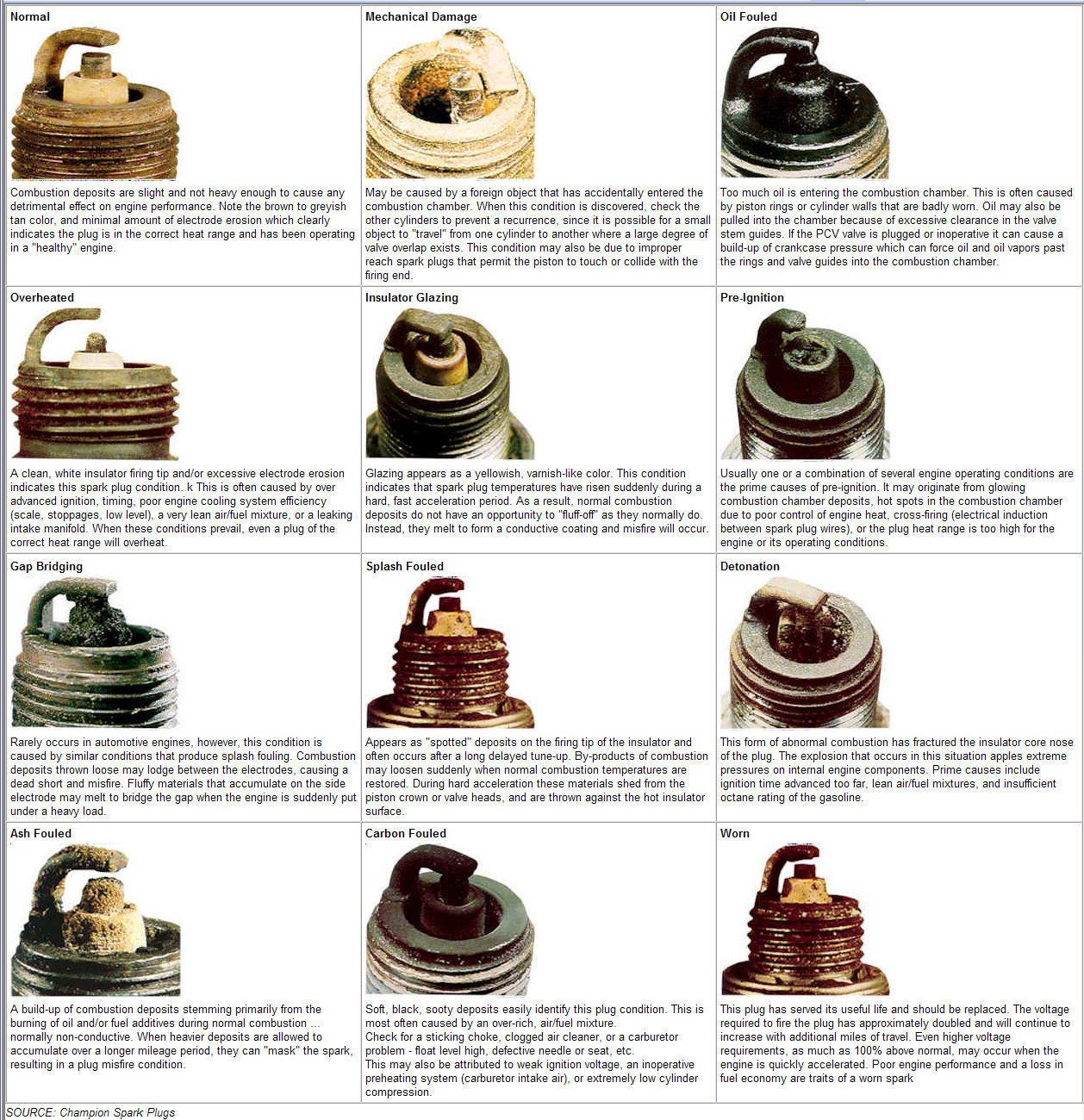
Reading the Signs: Why Your Spark Plug is a Tuning Window
Your dirt bike’s spark plug behaves exactly like an internal engine diagnostic window. Because the ceramic insulator nose sits directly inside the primary combustion chamber, it records a running log of your engine’s temperature, fueling mixture, and electrical performance. For off-road riders—especially those running carburetted two-stroke motocross or enduro machines—knowing how to accurately read an electrode tip can mean the difference between a crisp, responsive throttle map or a massive, costly engine failure.
A simple plug chop test remains the most reliable way to verify your carburetor settings under high load before changing main jets or needle positions.
How to Properly Perform an In-Field Plug Chop
To get a true diagnostic reading from your spark plug, you cannot simply let the bike idle on its stand for ten minutes in the paddock. Idling only coats the plug tip in low-RPM pilot jet fuel, completely masking how the bike performs at full acceleration.
To run a proper tracking test, find an open, safe straightaway or a long uphill section at your practice track. Warm the bike up thoroughly, drop into a high gear (such as 3rd or 4th), and pin the throttle wide open to pull hard under load for roughly 10 to 15 seconds. The moment you hit the peak of the rev range, pull the clutch in completely and instantly hit the kill switch to cut the engine immediately. Do not let the wheels turn the engine over as you coast to a stop. Roll the bike to your stand, let the cylinder cap cool down, and pull the plug out to check the freshly burned fuel color.
Heat Ranges Explained: Hot Plugs vs. Cold Plugs
Spark plugs don’t create engine heat—they remove it. The “heat range” number stamped on your plug casing indicates how quickly the ceramic insulator tip can transfer heat away from the combustion pocket into the cylinder head cooling jackets.
Using the wrong heat range plug can introduce severe running issues. A plug that is too hot retains thermal energy too long, which can cause pre-ignition (pinging) and ignite the fuel mixture before the piston reaches top dead center, easily blasting a hole straight through a fresh crown. Conversely, a plug that is too cold drops internal heat too rapidly, preventing the electrode from reaching its optimal self-cleaning threshold. This allows oil carbon deposits to accumulate on the porcelain nose, shorting out the electrical current and causing the plug to completely foul.